Fallen Lineage Features Guide: Classes, Combat & Loot
Use this Fallen Lineage features guide to learn all six classes, plan turn-based battles, compare loot, and manage upgrades before your next Roblox run.
Jump to
What Are Fallen Lineage’s Main Features?
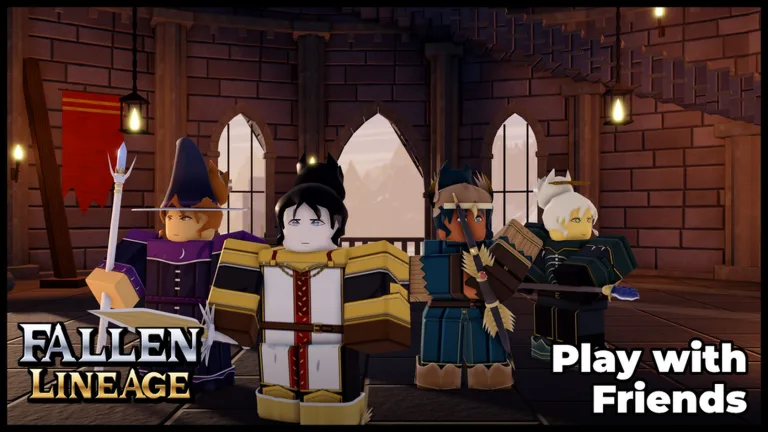
A powerful skill can win a fight, but its cooldown can leave you exposed in the next exchange. This Fallen Lineage features guide covers the systems that shape your runs: six classes, turn-based combat, cooperative play, skill trees, and equipment restrictions. Understanding how those pieces fit together helps you spend upgrades carefully and avoid pushing into another encounter with too little health.
Fallen Lineage on Roblox combines encounter-based exploration with roguelite pressure. You fight enemies, collect gold and XP, find equipment, and develop your character while managing the risk of defeat.
| Feature | Game Details |
|---|---|
| Combat format | Turn-based RPG |
| Adventure party | Solo or up to 4 players |
| Server capacity | 20 players |
The adventure party limit matters when organizing a group: bring up to three friends. The larger server capacity does not mean everyone can join the same adventure.
Six Classes Give You Different Combat Roles
Your class shapes your approach to battles, from straightforward melee attacks to ranged damage and party support.
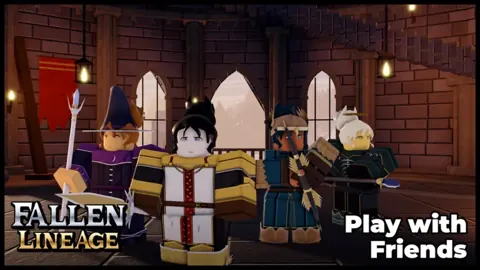
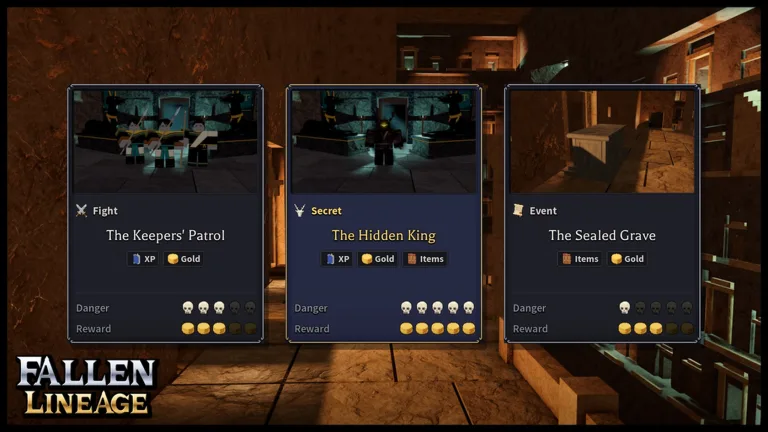 Image: Roblox / odanos
| Class | Combat Focus |
|---|---|
| Warrior | Solid melee combat |
| Rogue | Agile strikes and mobility |
| Mage | Powerful spells |
| Lancer | Thrusting attacks |
| Bard | Support and buffs |
| Archer | Ranged pressure |
Choose Warrior or Lancer if you want a reliable starting point while learning encounters. Both suit beginners facing difficult fights.
Try Rogue if you prefer mobility, or explore Mage and Archer when you want to work with spells or ranged attacks. Archer offers consistent damage once you become comfortable with its timing. For a group focused on supporting one another, consider Bard for its buffs and support role.
Pick a role before spending resources to change your character. Rerolling repeatedly without deciding how you want to play can use up tokens without giving you a clear build to develop.
Turn-Based Combat Rewards Cooldown Planning
Battles give you basic attacks and skills, but skills have cooldowns. A strong opening move does not mean you can repeat it on every turn.
Before committing to an attack, check:
- Enemy numbers: Several bandits or wolves can make an encounter dangerous quickly.
- Remaining health: Carrying low HP into another fight leaves less room for mistakes.
- Skill availability: Plan your next action around whether your skill is ready.
Use basic attacks while waiting for a skill to become available. When a skill can finish an enemy, consider using it to reduce the number of opponents still attacking you.
Do not assume your health will refill between encounters. Check your HP before starting another event, especially after a fight that looked easy but cost more health than expected. Manage your remaining lives with the same care.
Skill Trees and Equipment Shape Your Build
Character development includes a skill tree that consumes points, along with stat upgrades. Spend those points with your chosen class and current equipment in mind. Read the upgrade options before confirming a selection.
Loot also requires more attention than simply choosing the largest damage number. Weapons can display ranges such as 11–14 and 17–21, but equipment has type restrictions. A stronger-looking weapon or a new outfit can still be incompatible with your character.
After collecting equipment:
- Compare its displayed attributes with what you currently use.
- Check whether your character can equip it.
- Equip compatible upgrades before continuing.
- Distinguish equipment from materials when sorting your inventory.
Check accessories separately, too. A ring can be usable even when another item from your recent haul does not fit your character.
Events Add Objectives and Combat Rewards
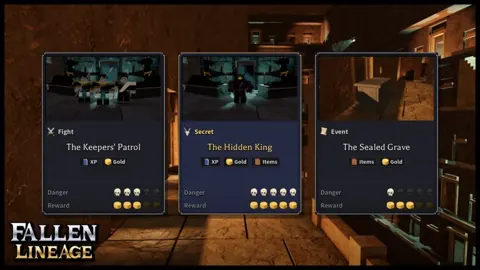
Exploration includes events with short story moments and combat objectives. One encounter involves protecting a delivery from bandits, while others pit you against enemies such as wolves.
Victories award XP and gold, and encounters can also produce equipment, including weapons and clothing. Check your inventory after receiving loot so a useful upgrade does not sit unused through the next battle.
Treat each event as another commitment of health and skills. Inspect your character before entering, then review your rewards afterward. That rhythm gives you a chance to strengthen your build between fights.
Codes Supply Extra Resources
Code rewards include Reroll Tokens, Reset Orbs, and additional lives. These resources support build changes and give you more room to recover from setbacks.
November 2026 codes include SOMANYSHUTDOWNS, PARAGUAY, UPDATE2, and 400CCU. Codes are time-limited, so enter them exactly as written.
To redeem a code, join the game’s Roblox group, open the Shop, enter the code in its redemption field, and confirm. If redemption prompts you for additional requirements, complete those before trying again.
Use rerolls with a specific class or race goal in mind, and save Reset Orbs until you know which part of your build you want to change.
Continue with
 Fallen Lineage Skill Tree Codes: Build Sharing GuideUse Fallen Lineage skill tree codes to share builds and load guides. Learn how tree points work, plus which reward codes to try and the group requirement.
More in Features
Fallen Lineage Classes: Choose Your Next RPG Build
Compare Fallen Lineage classes, from Warrior and Lancer to Bard and Archer. Find a playstyle that fits your solo runs or party, then plan your next build.
Fallen Lineage Tier List: Best Classes for Your Run
Use this Fallen Lineage tier list to compare all six classes, find reliable beginner picks, and choose between solo damage and support for your party run.
Fallen Lineage Turn Based Combat: Classes and Survival
Master Fallen Lineage turn based combat with class tips, solo and co-op advice, and resource planning to make smarter choices and keep your next run alive.
Join the community
Official channels for news, updates and player help: